


History
The Portwall Gate site lies on the edge of Bristol’s historic Temple Quarter. The area takes its name from the medieval city wall that once stood nearby, marking the boundary of the old city. In later centuries, the site became home to commercial and light industrial buildings, reflecting Bristol’s growth as a trading hub. By the early 21st century, many of these structures had become redundant and were earmarked for redevelopment as part of the city’s regeneration plans. Preparing this site was a key step in creating modern office accommodation to support Bristol’s economic growth.
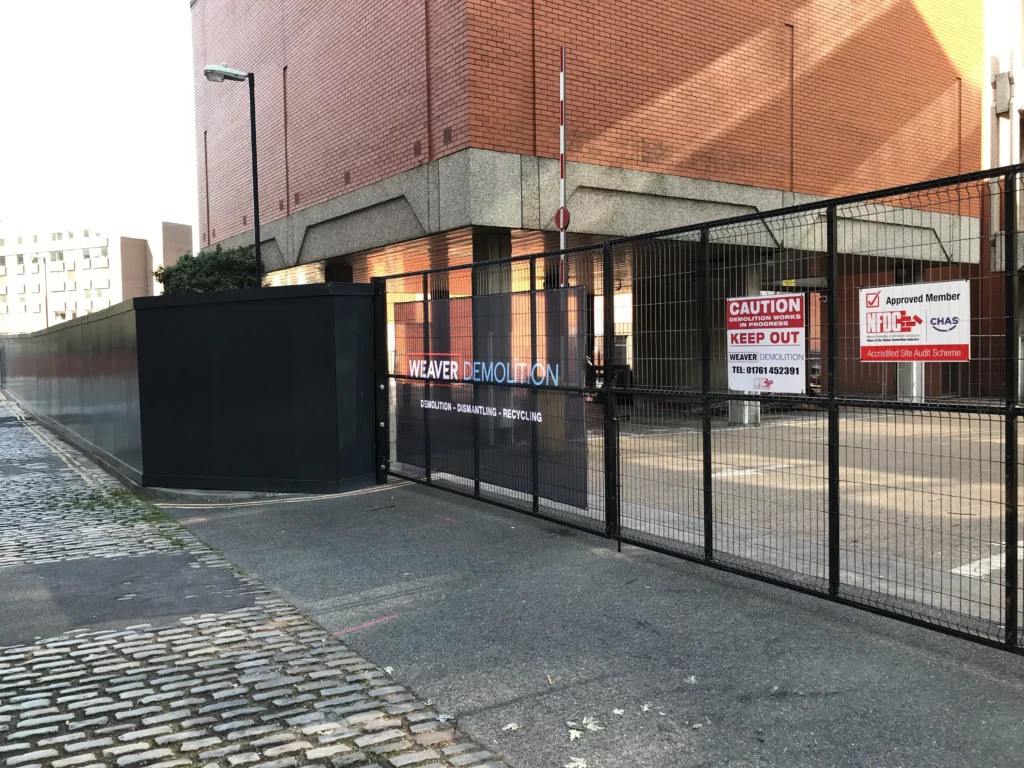
Project Overview
Weaver’s works included a wide range of enabling activities delivered within a condensed timeframe:
- Pre-Planning and Logistics: Detailed health & safety and traffic management plans were prepared, addressing the challenges of working in a busy city-centre environment with restricted access.
- Structural Demolition: Redundant buildings were demolished using mechanical methods, with careful sequencing to protect adjacent properties and public areas.
- Link Bridge Removal: An elevated bridge connecting to a neighbouring property was cut and removed using a combination of mechanical and hand demolition techniques.
- Hardstanding and Foundations: Existing slabs, hard surfaces, and below-ground obstructions were broken out and removed to leave the site level and obstruction-free.
- Drainage Diversion: A new drainage system was installed to separate the site from surrounding infrastructure, ensuring future construction could proceed without disruption.
- Unexploded Ordnance (UXO) Survey: Given Bristol’s history of heavy bombing during the Second World War, an intrusive UXO survey was carried out to eliminate risks before demolition progressed.
- Material Recycling: All demolition arisings were crushed on site to 6F2 specification, stockpiled for reuse during the construction phase.
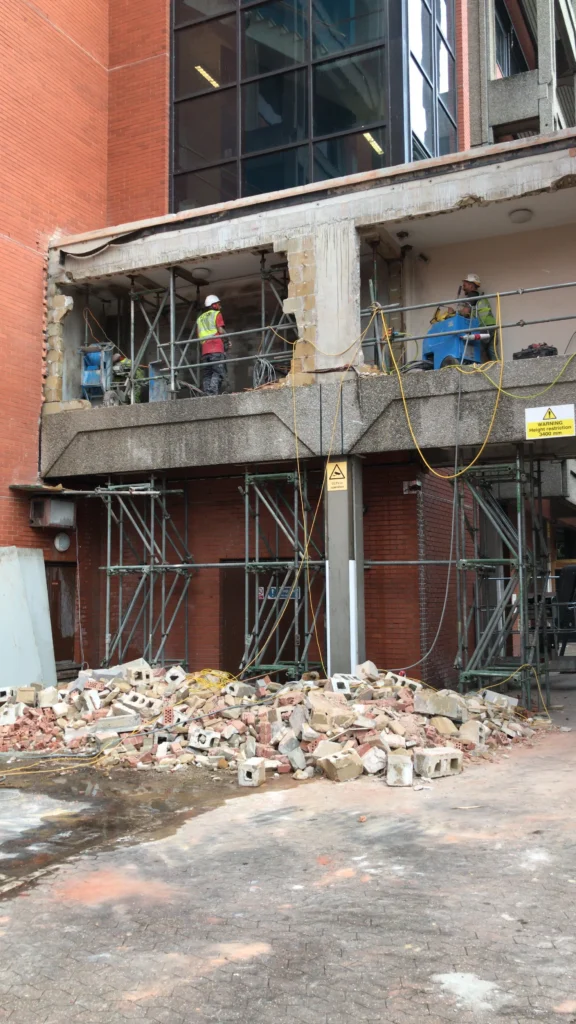
Project Requirements
The client required Weaver Demolition to deliver a complete enabling package that would:
- Clear the site of all redundant buildings, slabs, and obstructions.
- Manage risks associated with a city-centre environment, including traffic, public safety, and neighbouring properties.
- Address potential heritage and wartime risks through the use of specialist surveys and controlled methods.
- Provide a construction-ready platform within an eight-week timeframe.
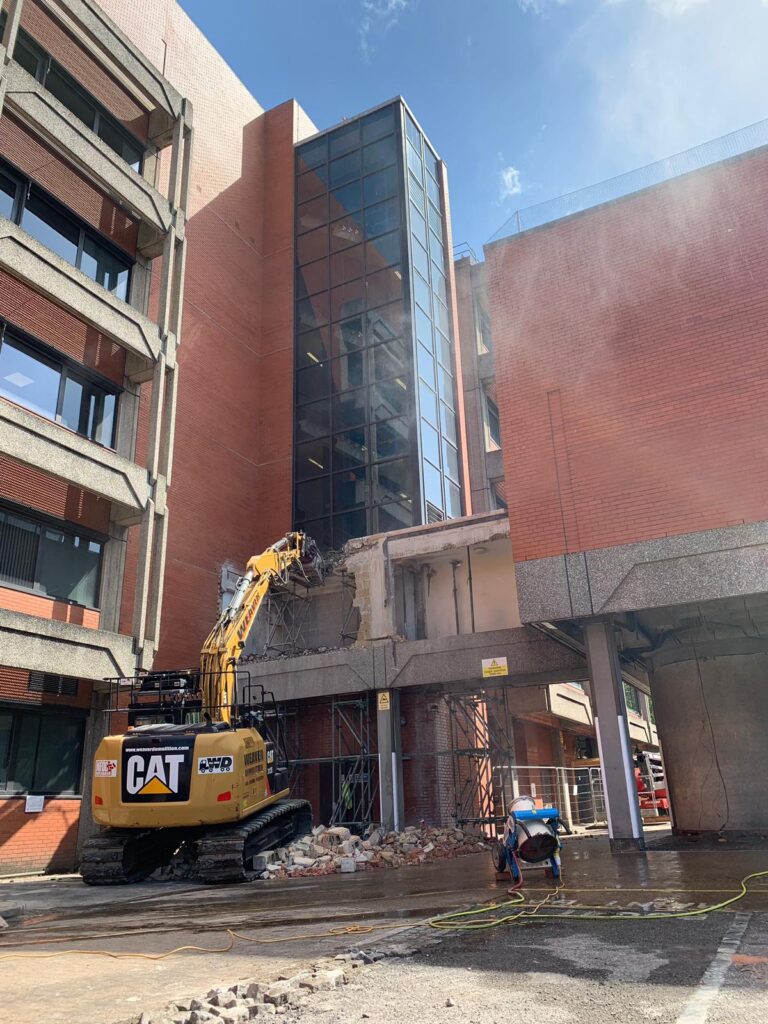
Environmental Impact
Sustainability and environmental care were central to the project:
- On-Site Crushing: Recovered concrete and hardcore were processed and retained on site, eliminating unnecessary vehicle movements and reducing carbon emissions.
- Dust and Noise Control: Suppression systems and strict plant management reduced disruption to surrounding businesses and residents.
- Heritage Sensitivity: The UXO survey demonstrated respect for Bristol’s wartime history, ensuring that redevelopment could proceed safely.
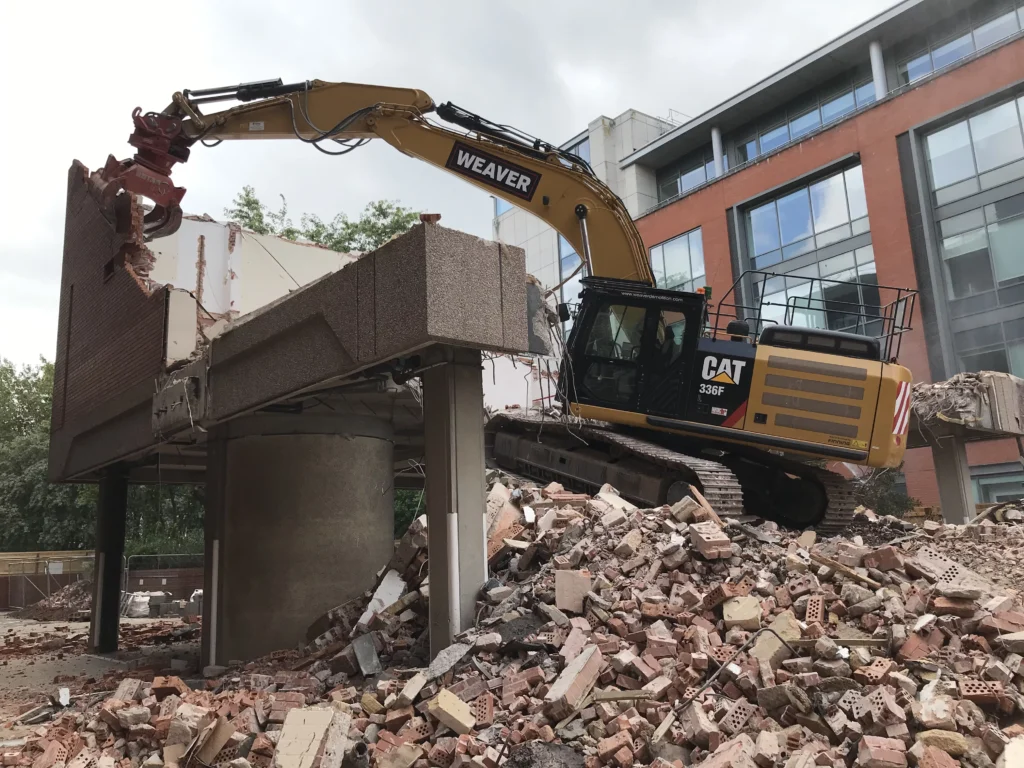
Key Benefits to the Client
The project provided significant value to the client through:
- Fast-Track Delivery: Completion within the demanding eight-week programme allowed follow-on construction to start on time.
- Risk Management: Potential hazards — including wartime ordnance and drainage complications — were addressed and resolved.
- Simplified Oversight: Weaver acted as a single point of contact, coordinating all aspects of demolition, drainage, and material recycling.
- Sustainable Outcomes: Recycling arisings on site reduced cost and environmental impact.
Project Summary
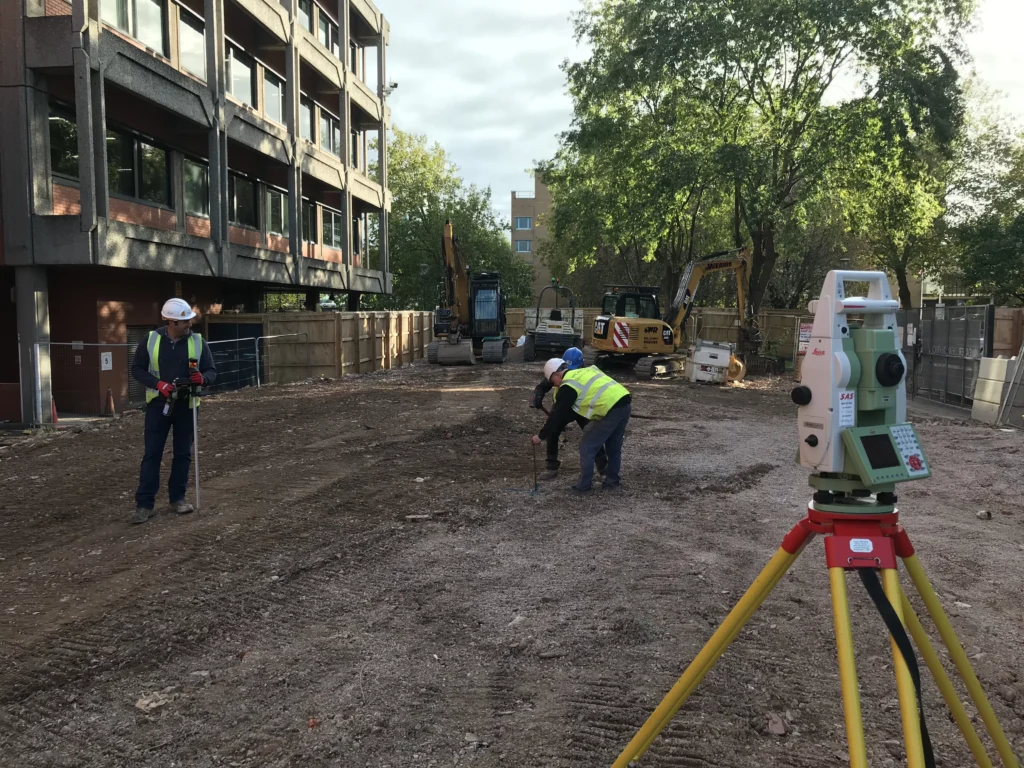
The Portwall Gate project demonstrated Weaver Demolition’s ability to deliver complex enabling works in a logistically constrained, city-centre location. Over just eight weeks, the site was transformed: redundant buildings were demolished, a link bridge was safely removed, drainage diversions were installed, and wartime risks were eliminated through intrusive surveys. By combining technical expertise, sustainability measures, and meticulous planning, Weaver provided the client with a clear, safe, and construction-ready site in the heart of Bristol’s Temple Quarter regeneration area.