


History
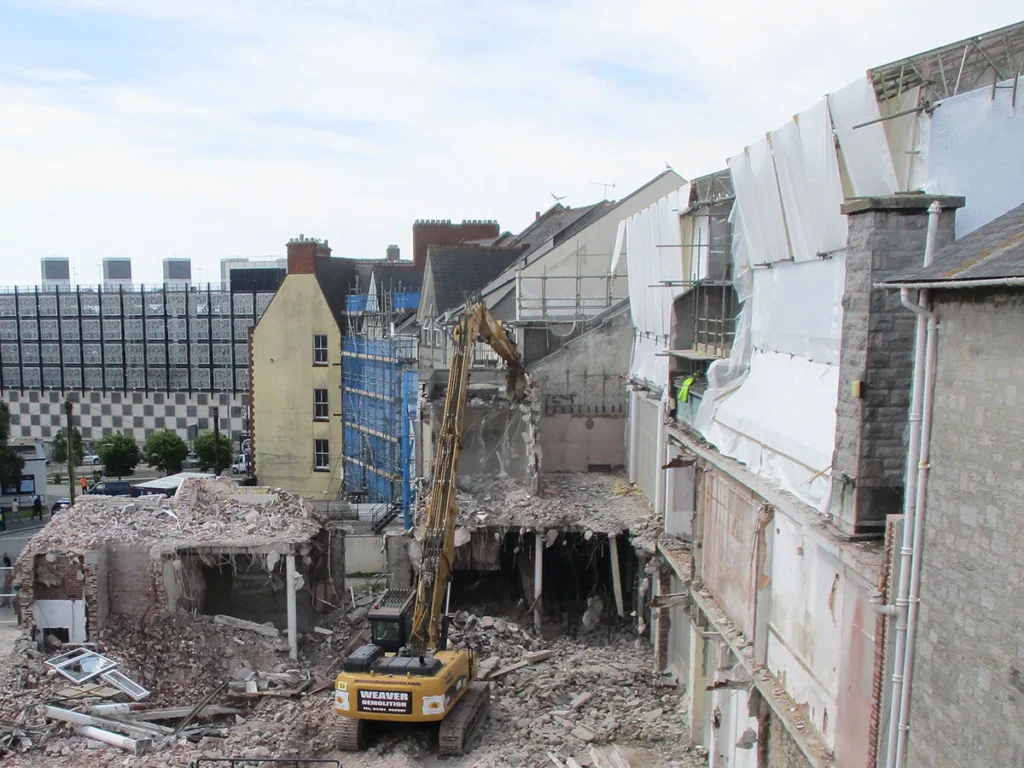
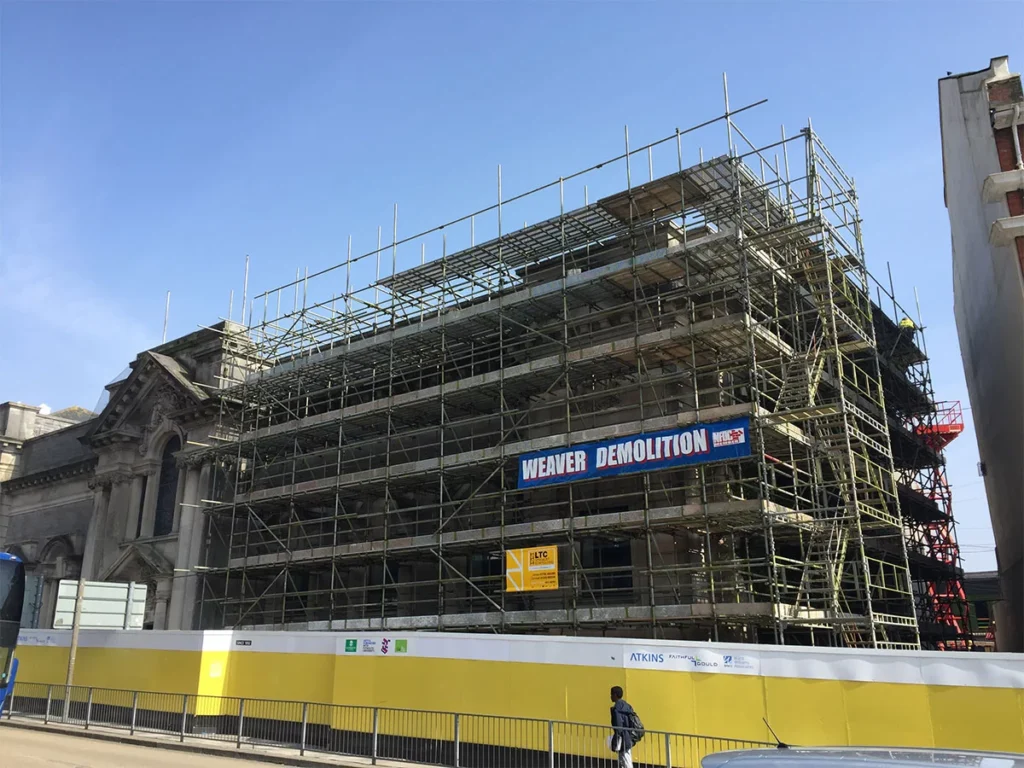
The Plymouth History Centre project encompassed several historic buildings at the heart of the city’s cultural quarter. The museum and library, dating back to the early 20th century, had long been central to Plymouth’s civic life, housing collections of local, national, and international importance. Adjoining workshops and ancillary structures, however, had become outdated and unsuitable for modern use. Redevelopment plans aimed to transform the site into a new cultural hub, combining heritage preservation with state-of-the-art facilities. Weaver’s role was crucial in preparing the site while protecting its architectural legacy.
Project Overview
The scope of works was extensive and complex, requiring multiple phases of demolition and enabling activities:
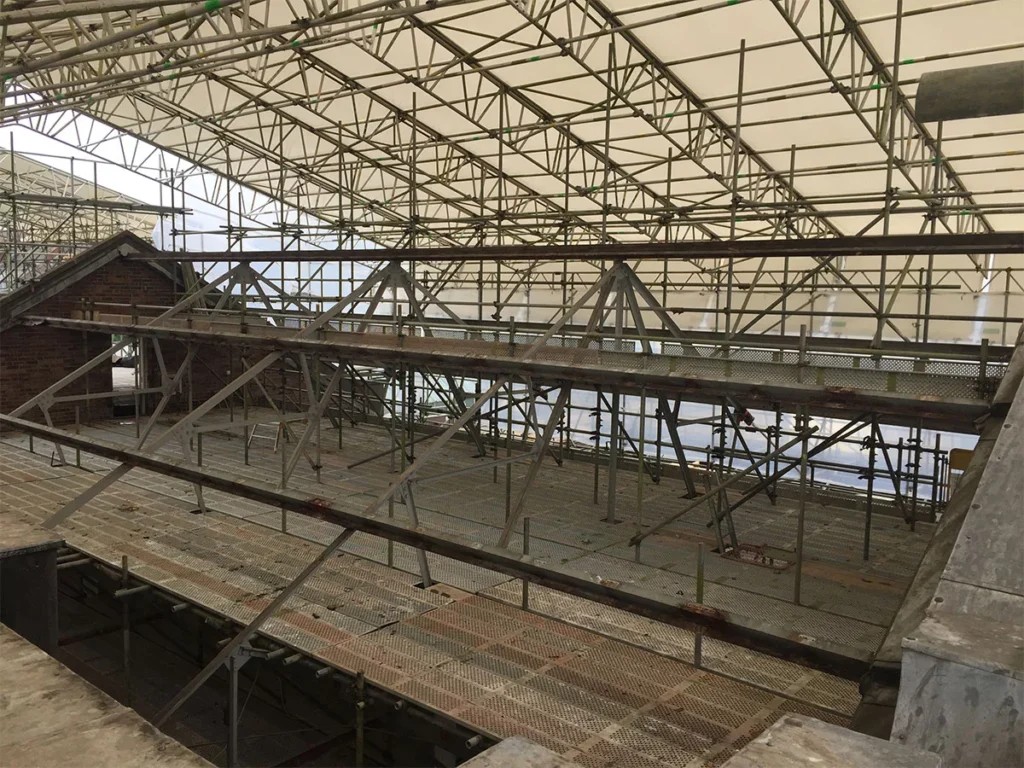
- Soft Strip & Asbestos Removal: The museum and library buildings were comprehensively stripped of fixtures, fittings, and hazardous materials. This included the removal of a large steel-framed roof over the library.
- Full Demolition of Workshops: Outdated workshop buildings were demolished entirely, with slabs and foundations broken out and removed under archaeological supervision.
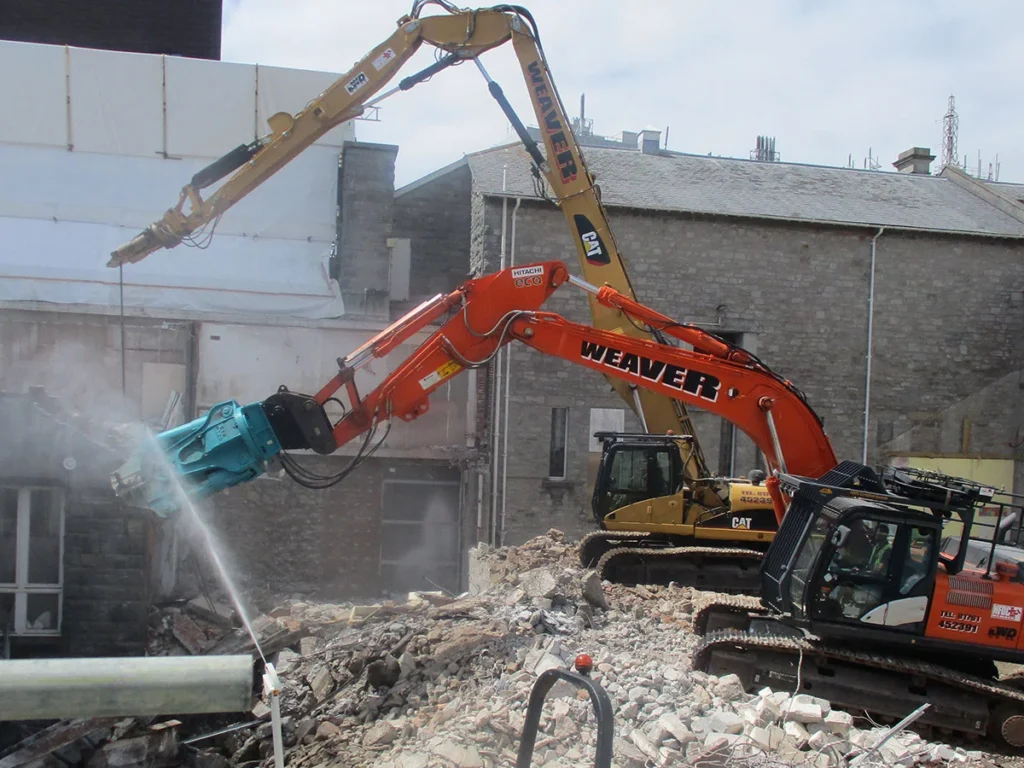
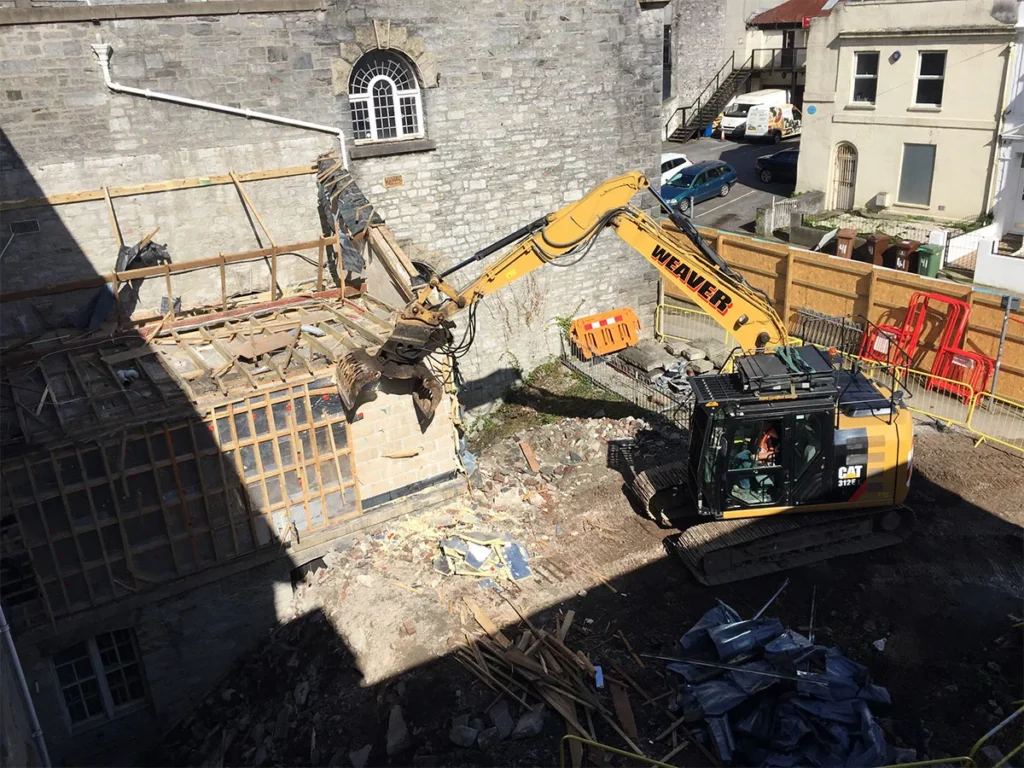
- Partial Demolition of Museum: Approximately half of the museum structure was demolished, with temporary works designed and installed to support the retained portions.
- Temporary Works & Structural Support: Bespoke propping and shoring systems were engineered to safeguard retained building fabric during demolition and subsequent excavation.
- Bulk Excavation: A reduced-level excavation of approximately 4,000m³ was carried out to create engineered levels suitable for the new cultural development.
- Material Segregation & Recycling: Demolition arisings were carefully segregated to maximise recycling, with hardcore processed for reuse where possible.
Project Requirements
The client required Weaver to deliver an integrated enabling package that met the following objectives:
- Safe removal of hazardous materials from historic buildings.
- Partial demolition that balanced the need for redevelopment with the preservation of heritage fabric.
- Engineering precision in the design and installation of temporary works.
- Archaeological oversight to protect heritage assets and document findings during demolition and excavation.
- Preparation of engineered ground levels to strict specifications for future construction.
Environmental Impact
Weaver took steps to minimise environmental impact and embed sustainability in the works:
- Material Recycling: Segregated waste streams maximised recycling and reduced landfill volumes.
- Retention of Structures: Temporary works allowed significant portions of the museum to be retained, reducing demolition waste and conserving embodied carbon.
- Archaeological Monitoring: Sensitive demolition methods enabled archaeologists to record and protect heritage artefacts and structures.
- Reduced Vehicle Movements: On-site processing of hardcore reduced haulage requirements, lowering emissions and community disruption.
Key Benefits to the Client
The delivery of the Plymouth History Centre works brought several important benefits:
- De-risked redevelopment by removing hazardous materials and clearing redundant structures.
- Preservation of heritage assets through carefully managed partial demolition and structural retention.
- Engineering assurance with temporary works designed to maintain stability and safety.
- Prepared site with engineered levels ready for new construction.
- Smooth collaboration with archaeologists, ensuring cultural heritage was safeguarded throughout.
Project Summary
Over a 26-month period, Weaver Demolition played a pivotal role in transforming Plymouth’s historic museum and library complex into a modern cultural destination. The works combined hazardous material removal, soft strip, full and partial demolition, structural support, and bulk excavation — all delivered with precision and sensitivity. By balancing the needs of redevelopment with the preservation of heritage, Weaver provided a safe, sustainable, and construction-ready site that laid the foundations for the city’s flagship History Centre.