


History
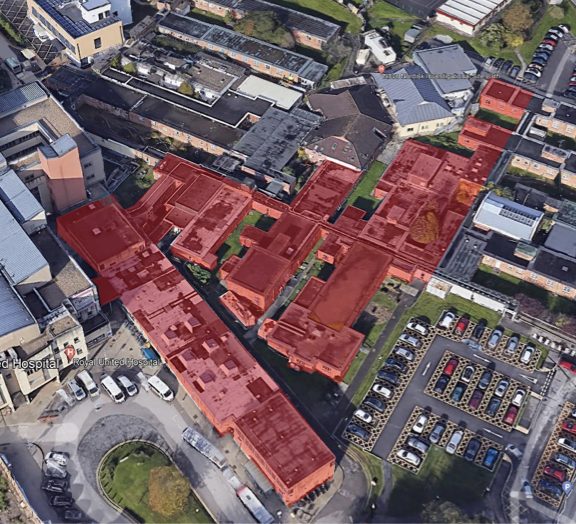
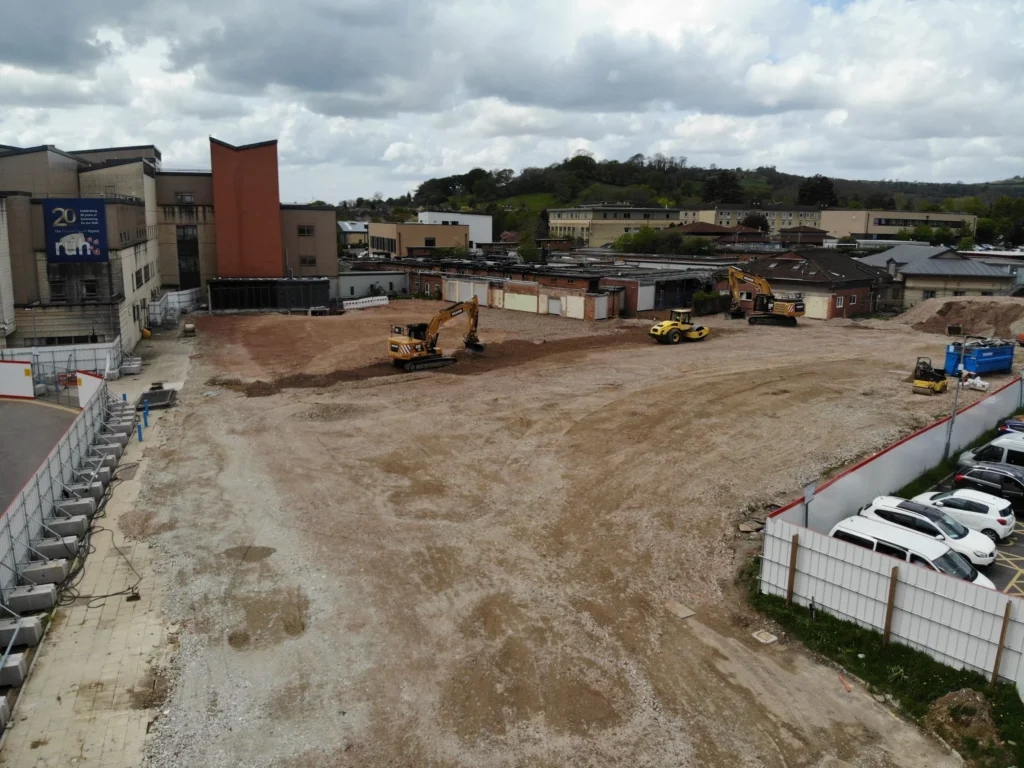
The Royal United Hospital, established in 1826, has long been a cornerstone of healthcare provision in Bath and the wider region. Over nearly two centuries, the hospital has expanded across a large site, with successive waves of building reflecting advances in medical practice. The area targeted for redevelopment contained a collection of redundant facilities and underground service networks that were no longer fit for purpose. Clearing this part of the estate was a crucial step in creating space for a state-of-the-art cancer research centre designed to improve patient outcomes and advance clinical research.
Project Overview
Weaver Demolition’s scope of works was extensive and multi-faceted, requiring coordination across several trades and disciplines:
- Asbestos Removal: A full programme of licensed and non-licensed asbestos removal was carried out, ensuring the site was free of hazardous materials before further works commenced.
- Decontamination of Service Ducts: Approximately 800 metres of underground ducts were drained, purged, and decontaminated to remove legacy mechanical systems.
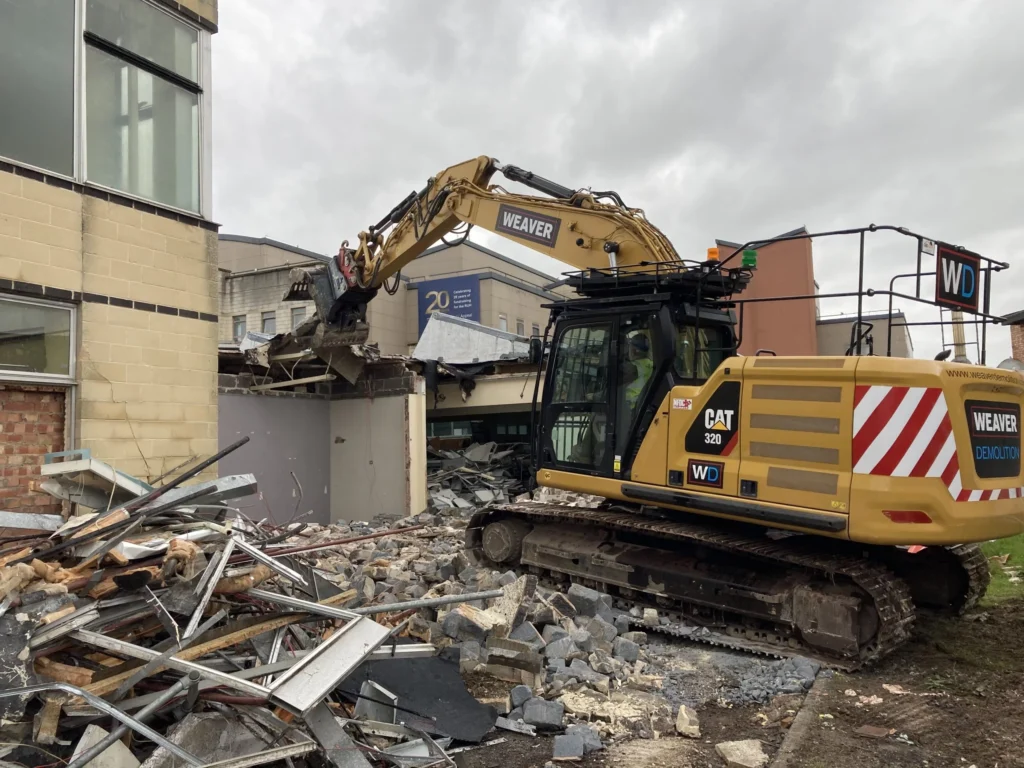
- Structural Demolition: Redundant hospital buildings, basements, and service trenches were demolished using a combination of mechanical and manual methods.
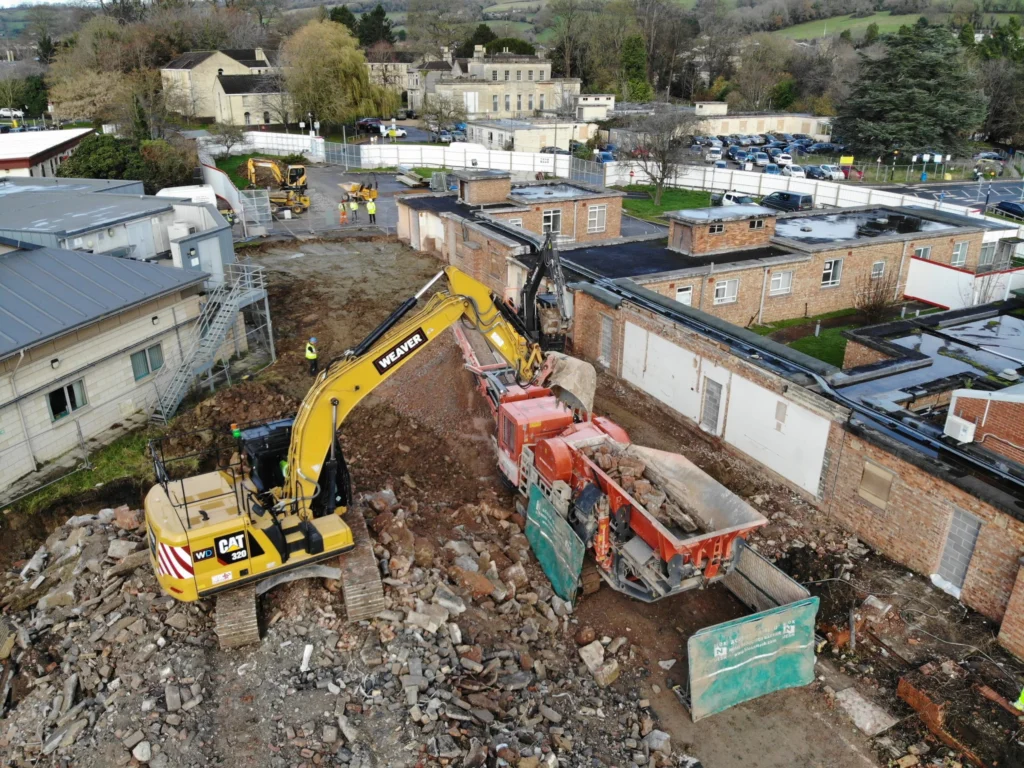
- Ground Preparation: All hardcore arisings were crushed on site to 6F2 specification and used to form piling mats and site capping. CBR testing validated compaction levels and ensured engineering requirements were met.
- Structural Alterations: Internal reconfigurations included forming new openings ranging from 900 mm to over 4 metres, supporting the hospital’s long-term redevelopment plan.
Project Requirements
The project placed several key demands on Weaver Demolition:
- Integration of services: combining asbestos removal, demolition, decontamination, and enabling works into a single package.
- Live hospital environment: ensuring continuity of healthcare services through strict sequencing and communication with hospital staff.
- Complex underground infrastructure: accurately locating and diverting existing services to prevent operational disruption.
- Compliance and standards: maintaining ISO-certified quality, environmental, and health & safety performance throughout the 8-month programme.
Environmental Impact
Weaver Demolition adopted a proactive approach to sustainability and environmental management:
- Material reuse: All hardcore from demolition was crushed and reused on site, significantly reducing HGV vehicle movements and reliance on imported aggregates.
- Waste reduction: Segregation of materials maximised recycling and diverted waste away from landfill.
- Drainage resilience: The installation of a new drainage system reduced risk of contamination and future-proofs the hospital’s infrastructure.
These measures not only reduced the project’s carbon footprint but also ensured compliance with strict environmental standards applicable to healthcare settings.
Key Benefits to the Client
Weaver’s delivery provided the client with a series of clear advantages:
- Single contractor solution: simplifying management by providing asbestos removal, demolition, and enabling works under one package.
- Time and cost efficiency: material reuse on site reduced transport costs and programme delays.
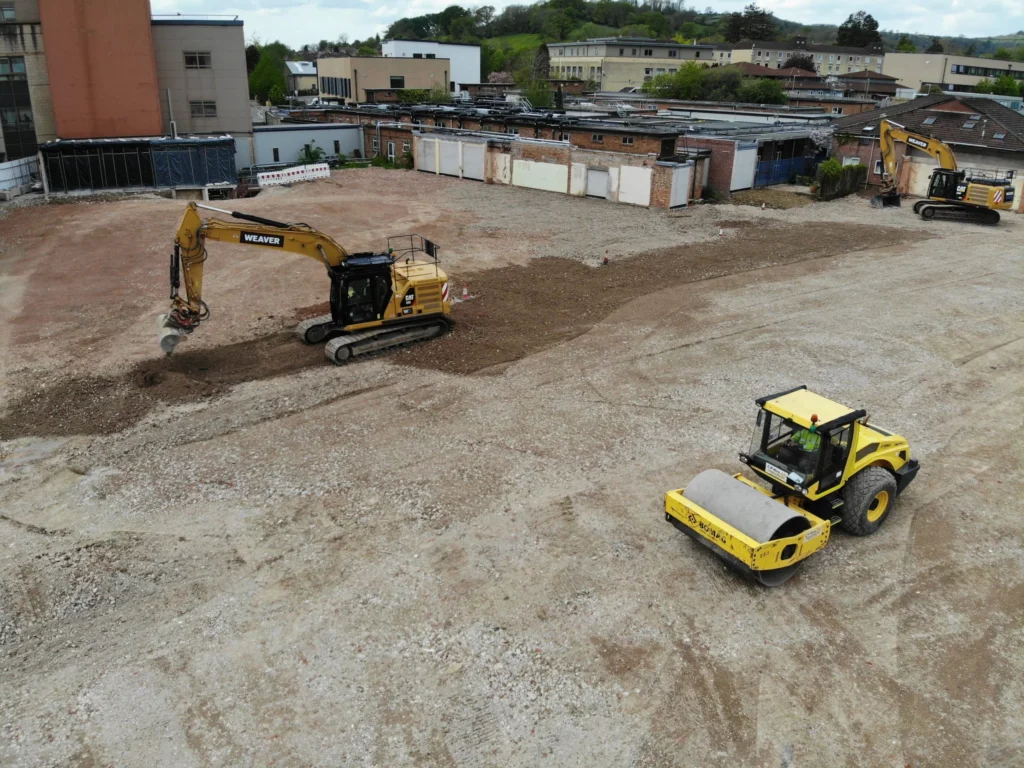
- Future-ready site: cleared, remediated, and structurally prepared for immediate redevelopment.
- Trusted partnership: Weaver’s proactive communication and professionalism resulted in strong client endorsement:
“I can highly recommend Weaver Demolition. They are a very professional outfit and a pleasure to work with.” – Project Manager, Bath RUH
Project Summary
Over an 8-month programme, Weaver Demolition delivered a complete enabling package at Bath RUH, safely transforming a redundant two-acre site into a cleared and construction-ready platform for a new cancer research centre. From asbestos removal and duct decontamination to drainage diversions and ground preparation, Weaver combined technical expertise with careful planning in a live hospital environment. The result was a safe, sustainable, and efficient delivery that supported the hospital’s long-term mission to enhance patient care and advance medical research.